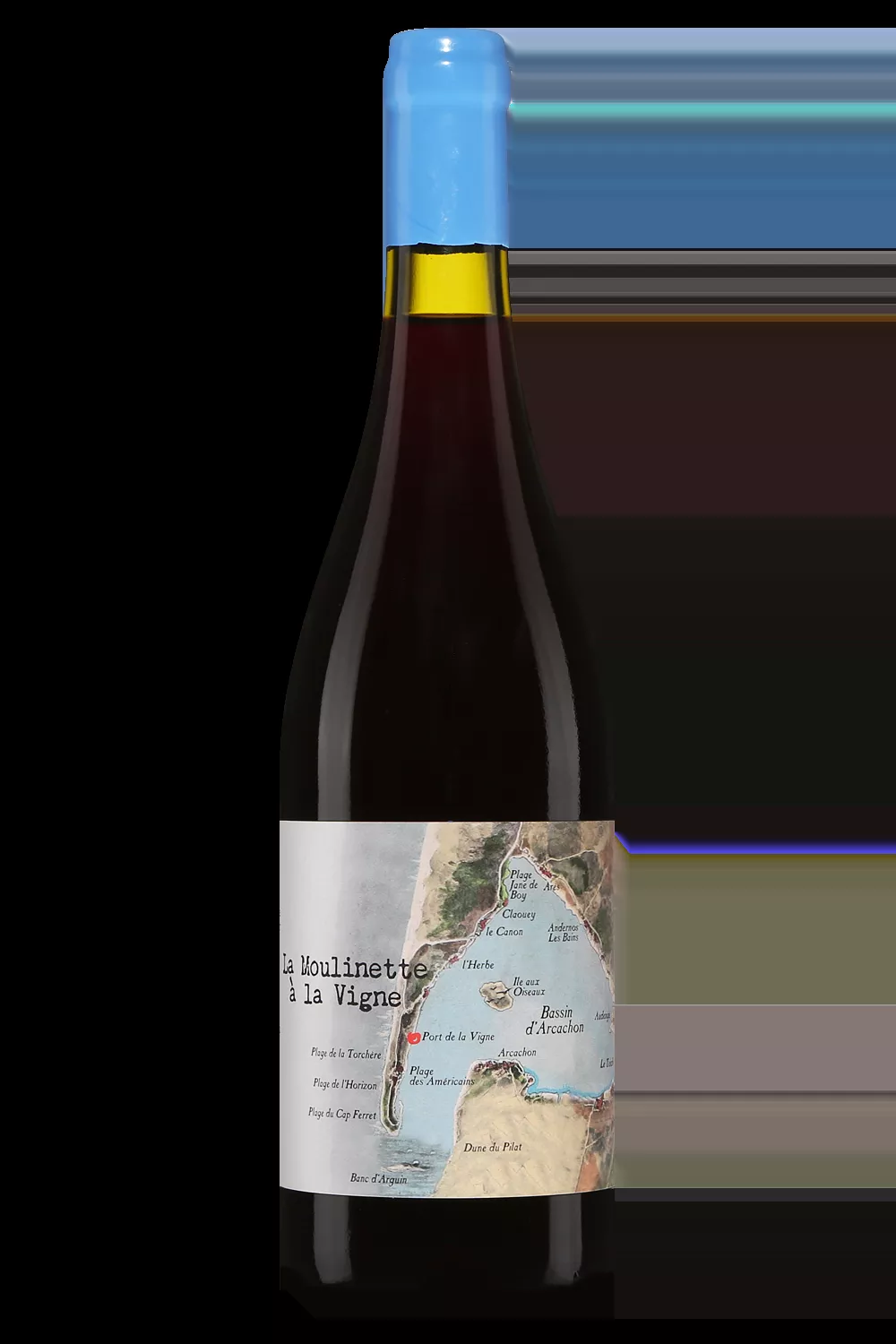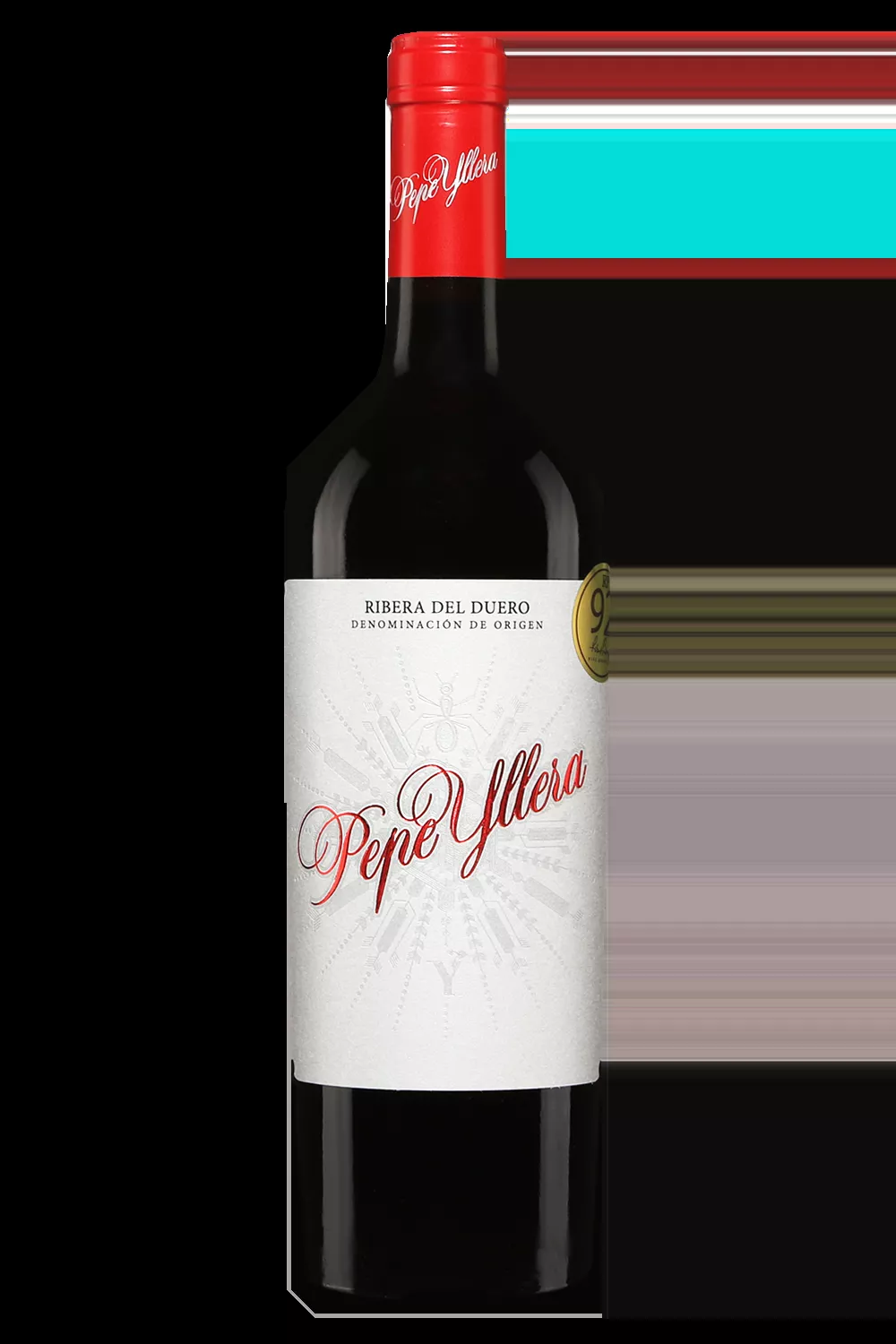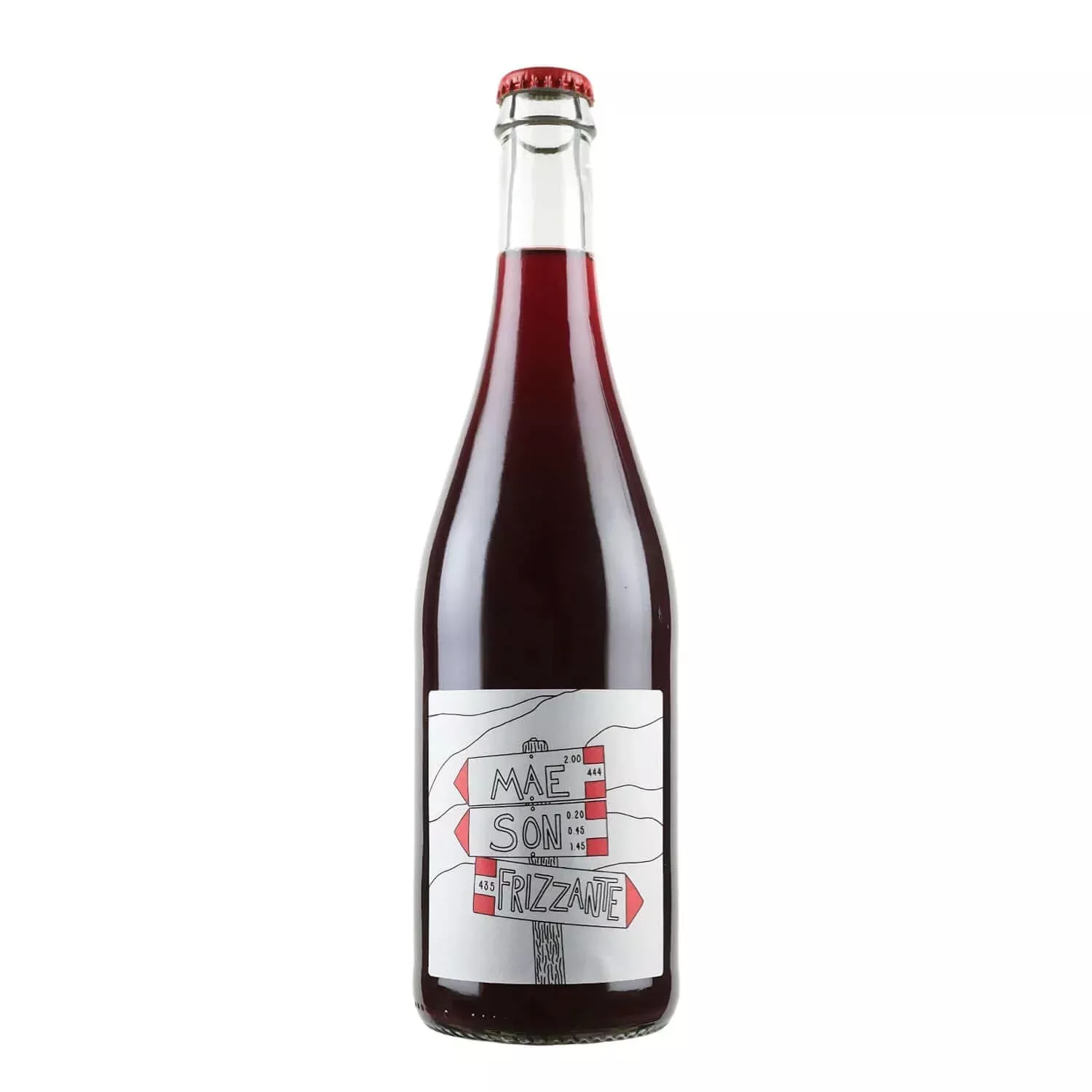

Deep purple, with an incredible array of ripe currants, blueberries, sweet tobacco, sandalwood, and toasted spices.
Reviews:
- Wine Advocate: Is the 2019 Château Margaux the wine of the vintage? A strong case in its favor could certainly be made. Soaring from the glass with aromas of blackberries, raspberries, rose petals, violets, pencil shavings and vine smoke, it’s full-bodied, layered and sensual, with a strikingly vibrant core of fruit that’s framed by ripe, powdery tannins and bright acids, concluding with a penetrating, mouthwateringly saline finish of almost interminable duration. Complex, elegant and utterly compelling, this is a brilliant Bordeaux that anyone with the requisite disposable income is going to want to own.
- James Suckling: Amazing aromas of crushed stones and wet soil with fresh mushrooms, then going on to violets and other flowers. Dark fruit, too. Full-bodied, yet agile and fine, with a linear flow of tannins that run through the center of palate. The finesse of the tannins is exceptional, like raw silk and changing all the time. Cool and energetic, yet reserved. Zen-like.
Producer Information
Château Margaux is one of Bordeaux’s most famous wine estates, located just east of Margaux itself in the Médoc. Along with Lafite, Latour and Haut-Brion, it was rated as a first growth in the original 1855 Bordeaux Classification of the Médoc. Generally, Margaux is considered as the most elegant of the first growths, and is consistently one of the most expensive wines in the world. The Cabernet Sauvignon-dominant blend is complimented with small portions of Merlot, Petit Verdot and Cabernet Franc. Château Margaux’s vineyards have a complex combination of soils that are unique to the area. These consist of chalky clay under a top layer of coarse and fine gravels, which is well-suited to Cabernet Sauvignon, which accounts for around 75 percent of plantings. Merlot makes up a further 20 percent, with the rest planted to Cabernet Franc and Petit Verdot. As is typical for top Bordeaux estates, the vineyard is densely planted at 10,000 vines per hectare. There are also 12 hectares (30 acres) of Sauvignon Blanc to make Margaux’s white offering, Pavillon Blanc, which must be sold as Bordeaux AOP, not Margaux. This compliments the Pavillon Rouge the second wine of which production dates back to the beginning of the 16th Century.