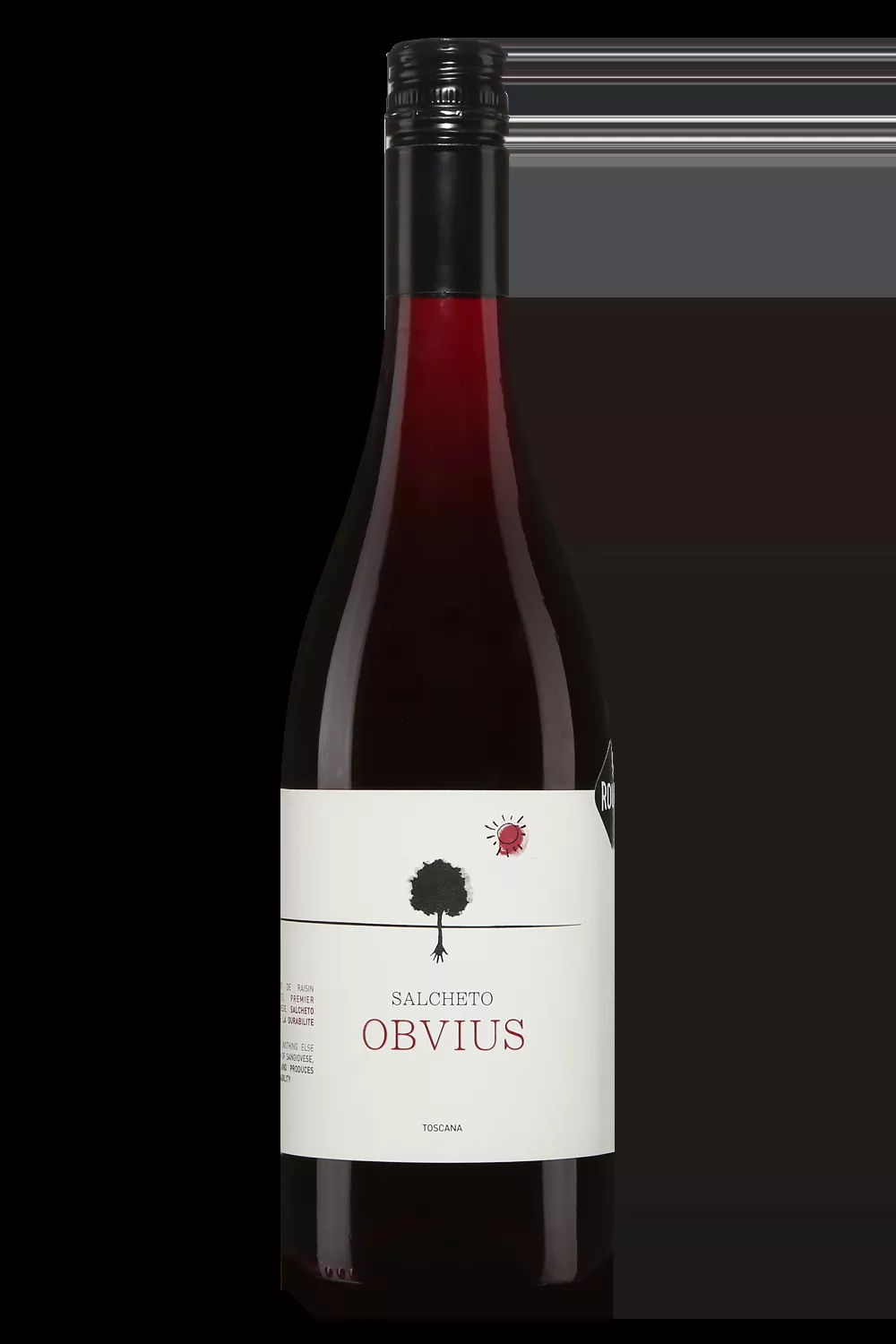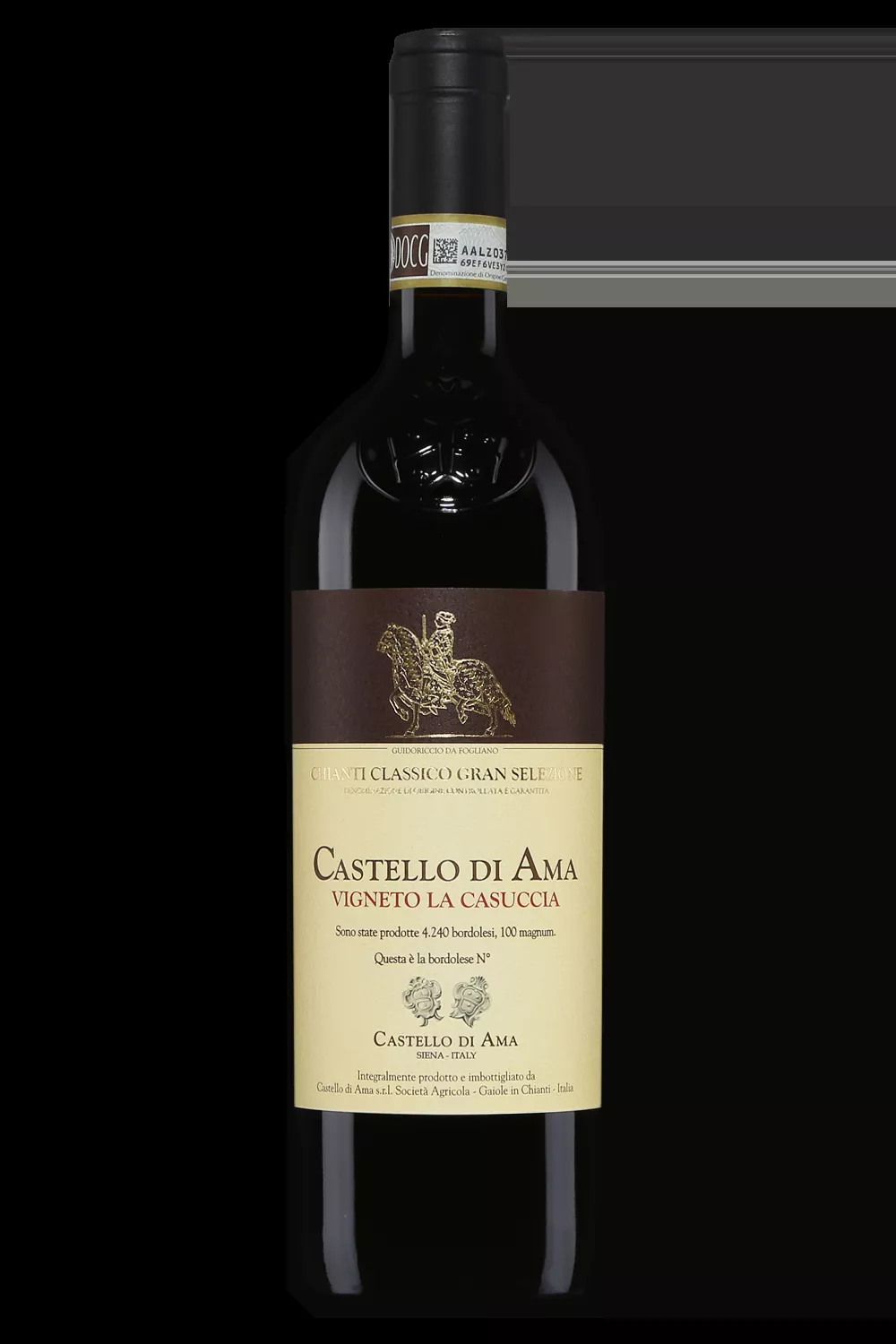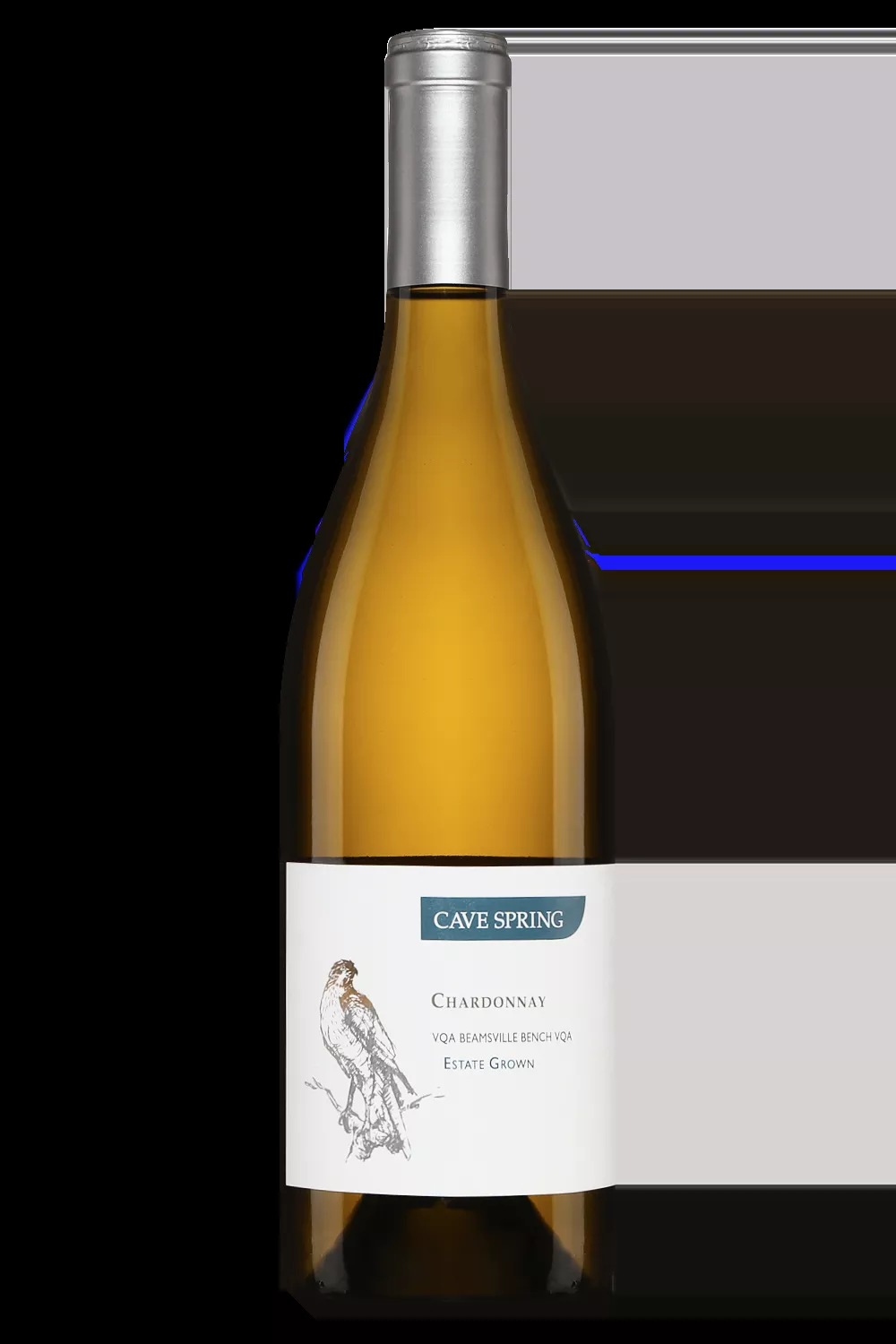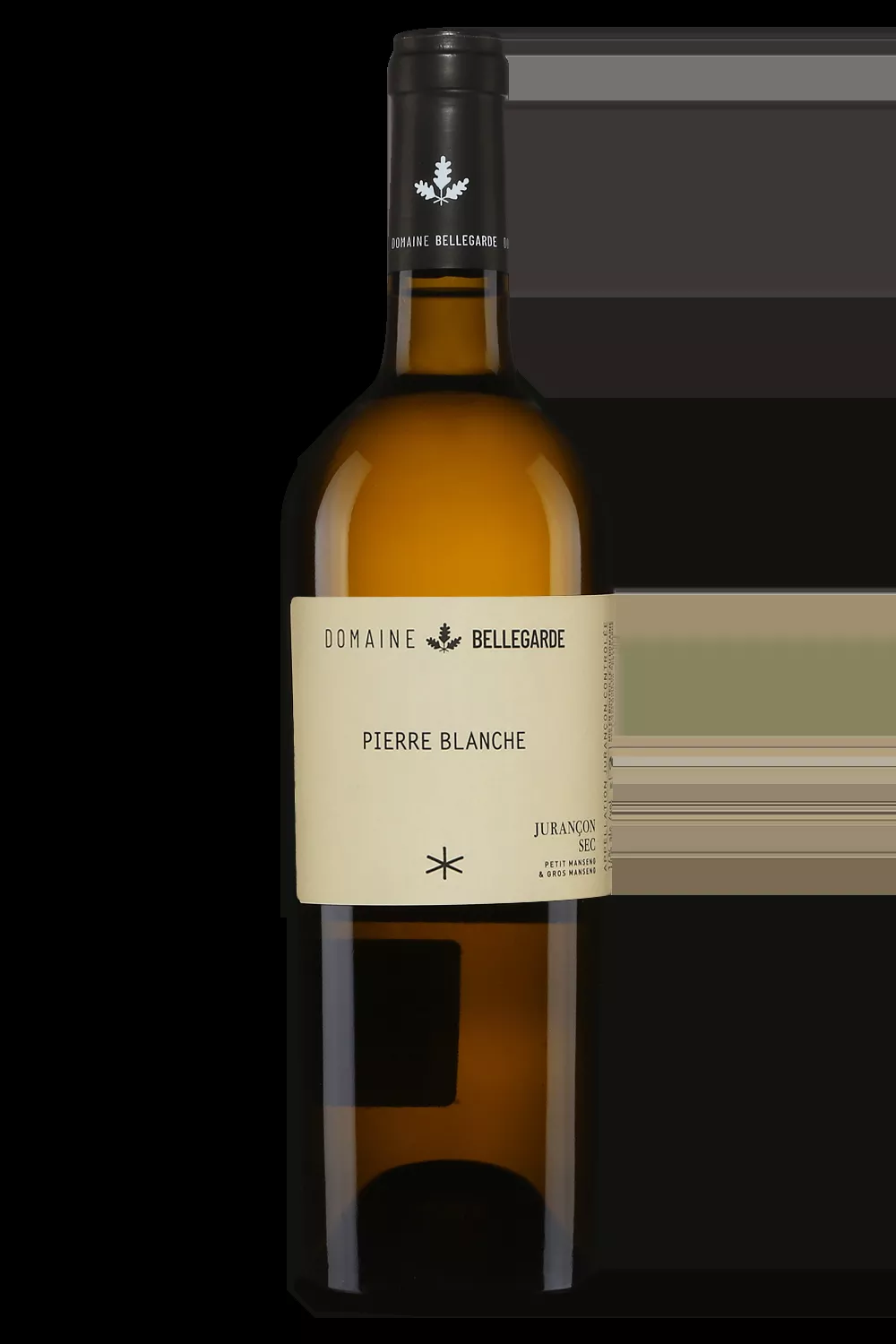
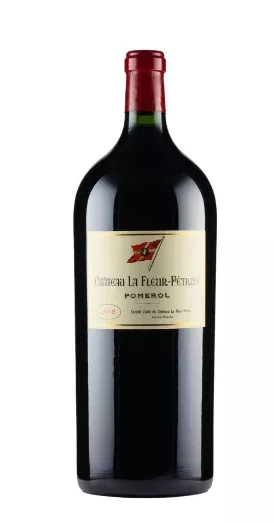
The 2018 is an inky blend of 91% Merlot, 6% Cabernet Franc, and 3% Petit Verdot from the historic Château La Fleur-Pétrus. Combining a unique elegance with the generosity and structure typical of the great vineyards of Pomerol, this is a wonderfully complex and ripe red with rounded tannins and excellent length.
Reviews:
- Wine Advocate: A blend of 91% Merlot, 6% Cabernet Franc and 3% Petit Verdot, the 2018 la Fleur-Petrus has a medium garnet-purple color and a slightly closed-down nose to begin, soon unfurling to reveal earthy notions of black truffles, mossy tree bark and damp soil, over a core of plum preserves, wild blueberries and redcurrants, plus a fragrant waft of menthol lilacs. The medium to full-bodied palate has the most gorgeous, velvety texture with well-knit freshness giving lift to the densely packed black fruit and earthy layers, finishing with a beguiling perfume. Stunning. Give it a good 3-4 years in bottle and drink it over the next 30 years or more.
- Wine Spectator: This offers a dark hued mix of plum, blackberry and black currant fruit that rolls through, unwinding to show anise, warm stone and tobacco notes as it does. Savory- and dark earth–tinged finish echoes lengthily.
Producer Information
Château La Fleur-Pétrus is one of the most renowned vineyards of Pomerol. This historic estate, situated exclusively on the plateau, was named in the 18th century for its position across the localities ‘Petrus’ and ‘La Fleur’. Established in Libourne since 1937, Jean-Pierre Moueix perceived early on the excellent quality of the Pomerol appellation. Château La Fleur-Pétrus was his very first acquisition in 1950. Quickly after, he purchased Château Trotanoy in 1953. The personality of Château La Fleur-Pétrus lies in the careful association of the famous gravel and clay terroirs of the plateau of Pomerol. The vineyard, located at 33 to 38 meters above sea level, draws its identity from the nuances of soil and elevation of each parcel. Those parcels which are dominated by gravel tend to yield wines of great elegance, while those dominated by clay are distinctly velvety, dense, and structured.