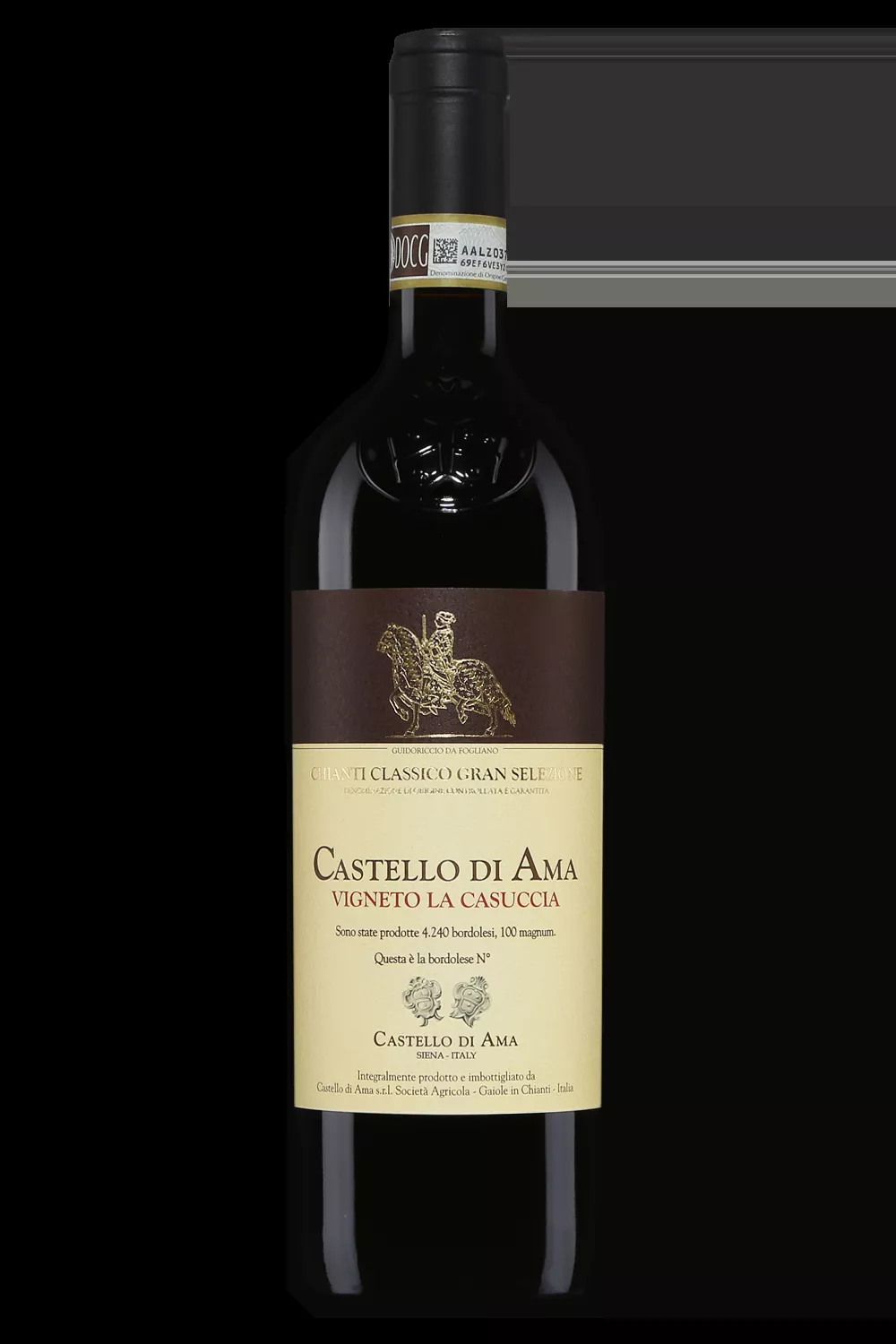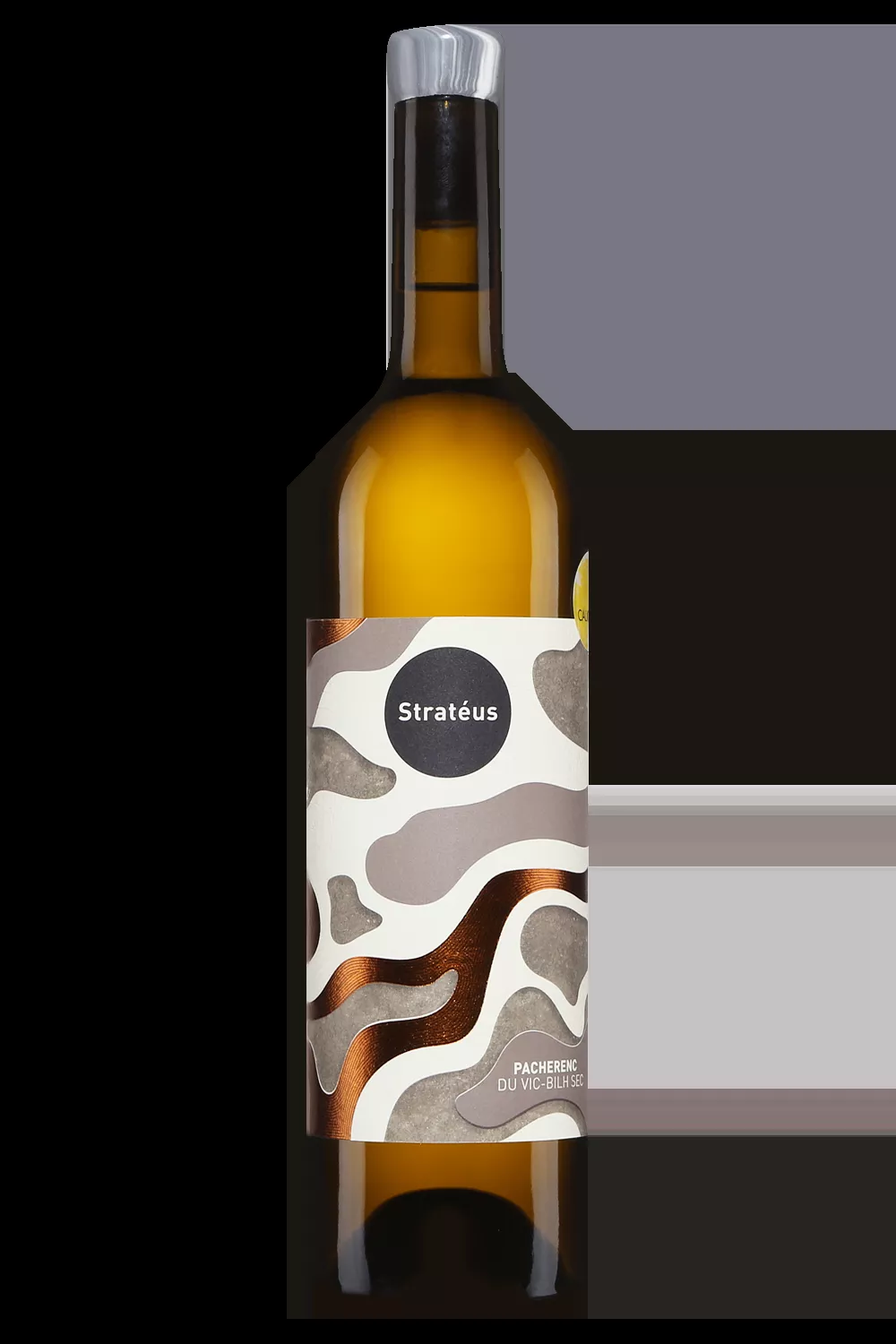

Red ruby color with violet highlights. The nose is complex and elegant. It shows notes of tobacco and white pepper followed by some notes of ripe yellow fruits such as apricot, peach, black fig and quince jam.
Reviews:
- Wine Advocate: The 2012 Cheval des Andes has more floral notes (that they attribute to the early picking) violets and lilies. While the blackberries and blackcurrants are there, they do not overpower the nose. In this vintage the final blend (which changes every year, they have no rules) was 64% Malbec, 28% Cabernet Sauvignon (a higher percentage to provide freshness in this warmer vintage) and then 8% Petit Verdot. This is a hedonistic Cheval showing the character of the vintage but with better balance and more integrated oak than in the earlier releases. They reduced the percentage of new oak to 30% and also started experimenting with some 500-liter barrels that were widely used in 2014, and the aging was longer at 14 months. The palate is powerful, and to drink at around 15 C. It gets more depth and nuanced with time in the glass.
- James Suckling: Fabulous aromas of blackberry, spice and flower. Perfumed. Lavender, rose and lilac too. A wine that grows on the palate with extreme finesse and complexity that shows ultra-fine tannins, currants, and flowers. Super length. Mostly mablec with cabernet sauvignon and petit verdot.
Producer Information
Cheval des Andes is one of Argentina’s most famous wines. It is made from vineyards in Mendoza and is a joint venture between Saint-Emilion’s Château Cheval Blanc, the legendary Premier Grand Cru Classé A, and Argentina’s Terrazas de los Andes. The Bordeaux blend wine is made with grapes from vines as much as 80 years old, planted in the Las Compuertas vineyard in Luján de Cuyo.The high-altitude vineyard, located in the foothills of the Andes, covers 50 hectares (124 acres), and is planted to Cabernet Sauvignon, Malbec, Cabernet Franc, Petit Verdot, and Merlot. The sandy loam soils provide good drainage, causing root systems to dig deep into the ground in search of hydration, making for healthy vines and concentrated grapes. The diurnal temperature variation at the estate, with warm days and cool nights, allows grapes to ripen while retaining acidity. Water for irrigation is provided from Andes snowmelt.