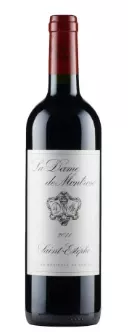
It is balanced, the smooth, fresh fruits and plum-skin texture making it already accessible.
Reviews:
- Wine Advocate: The 2011 La Dame de Montrose also benefitted from a strict selection as well as top-notch winemaking. Composed of 72% Merlot and 28% Cabernet Sauvignon, it is a spicy, ripe 2011 with lots of fat as well as abundant notes of blueberries and black currants in addition to a sexy, open-knit, mid-weight personality. Drink this seductive effort over the next decade.
- James Suckling: A little lean with spices and berries. Minerals too. Medium body, with fine tannins and a delicately fruity finish. Second wine of Montrose. 72% Merlot — much more than normal. 28% Cabernet Sauvignon.
Producer Information
Château Montrose is a well-regarded and critically much-lauded wine estate based in the Saint-Estèphe appellation of Bordeaux’s northern Médoc region. The estate was ranked as a second growth in the 1855 Bordeaux Classification, and is regarded as one of the very best properties at that level. The epitome of the Saint-Estèphe appellation, Montrose’s top wine is known for its structure (even austerity) in youth, but beguiling many as it ages. The grand vin, composed largely of Cabernet Sauvignon with some Merlot, is typically deeply colored, powerful and firm when young, but has superb aging potential. The second wine is La Dame de Montrose; the third is Saint-Estèphe de Château Montrose. The 95-hectare (235-acre) vineyard exists, unusually for modern Bordeaux, as one single entity. It is sited on an exposed site of deep, coarse gravels with sand and a little clay, overlooking the Gironde. The immediate proximity of the water has a moderating effect on both frost and summer heat, and the pebbles in the soil retain daytime warmth into the evening, aiding ripening. The château is situated around three kilometers (1.8 miles) northeast of Château Cos d’Estournel (another so-called “super-second” – i.e. a highly regarded second growth estate) on the border with the Pauillac appellation.