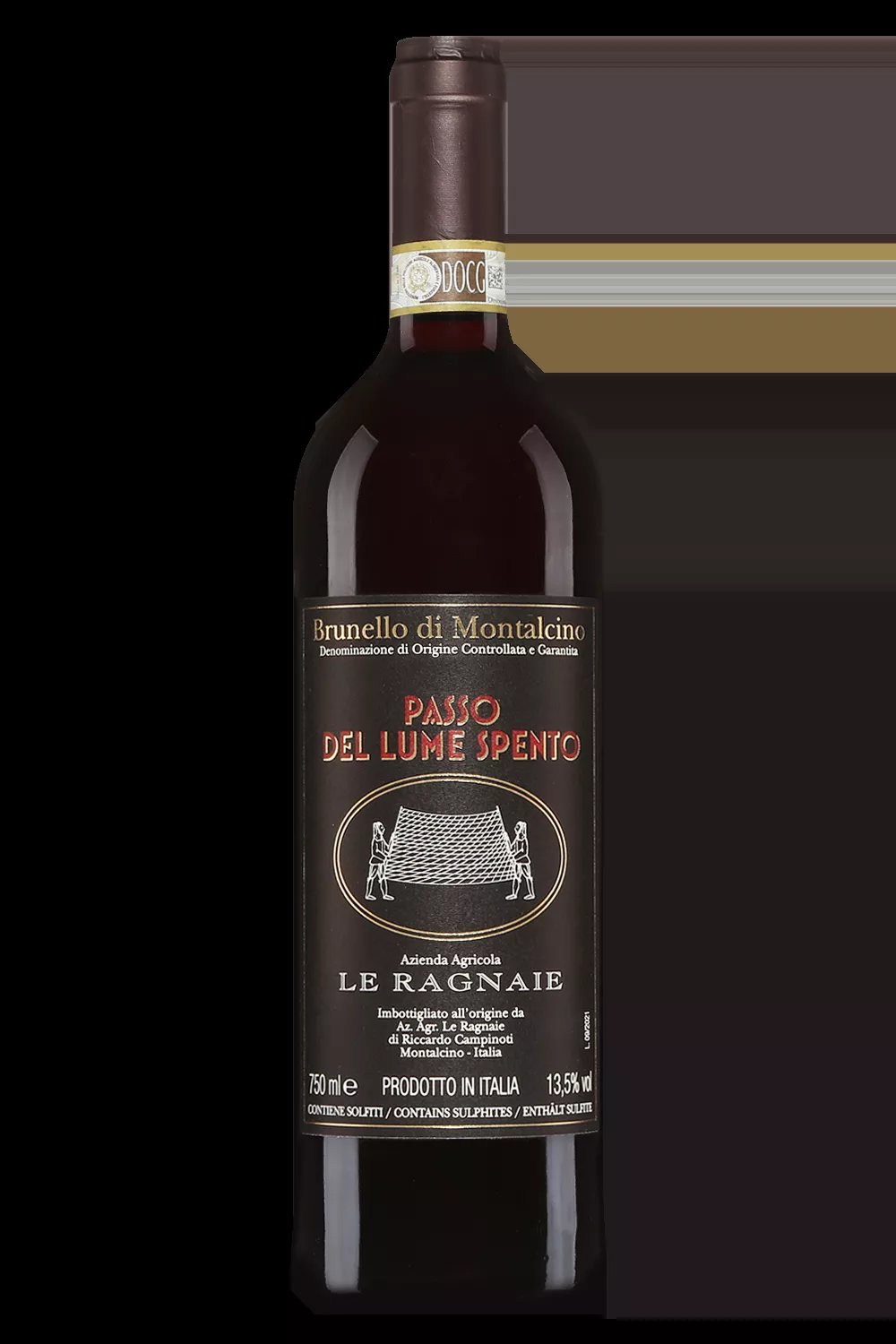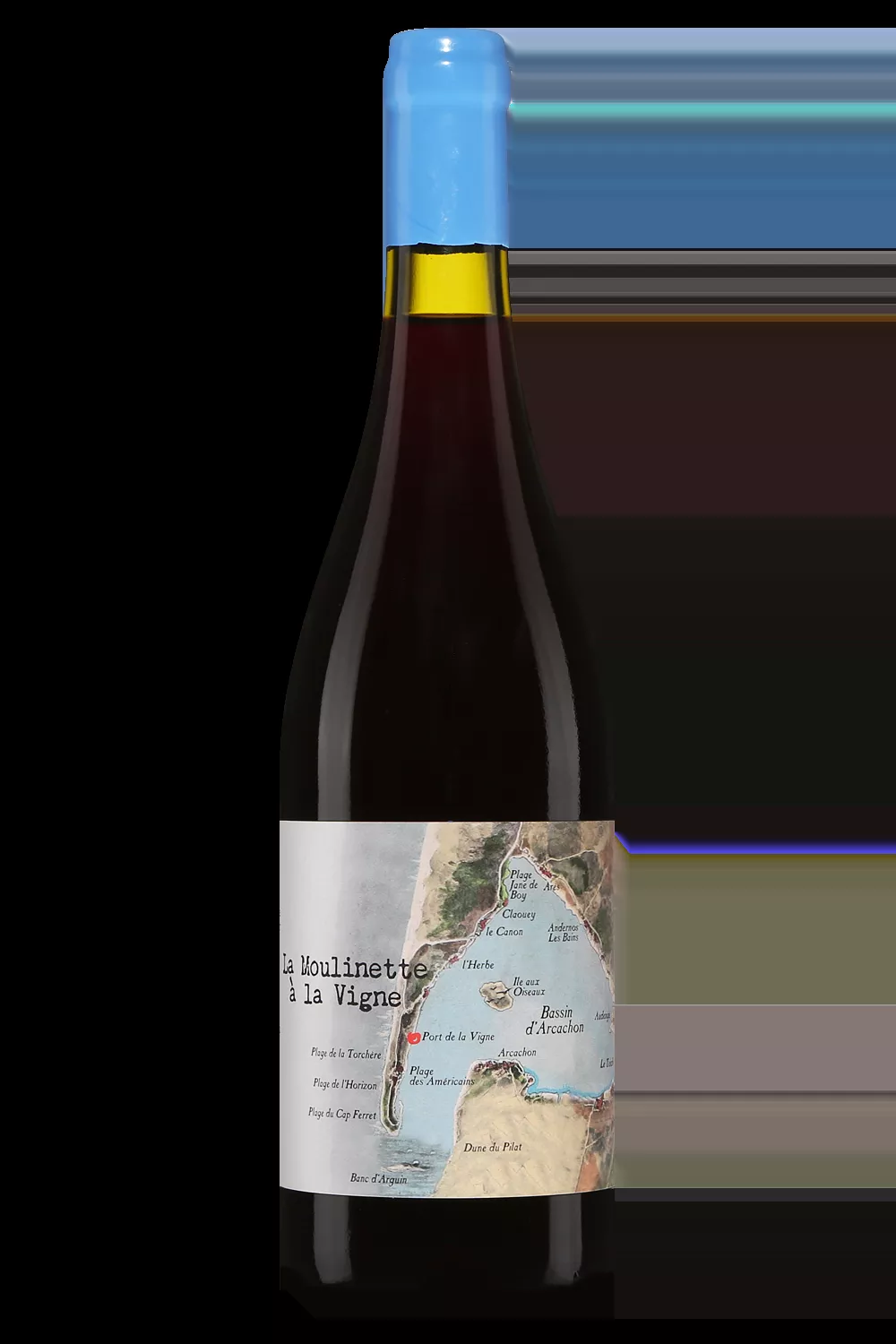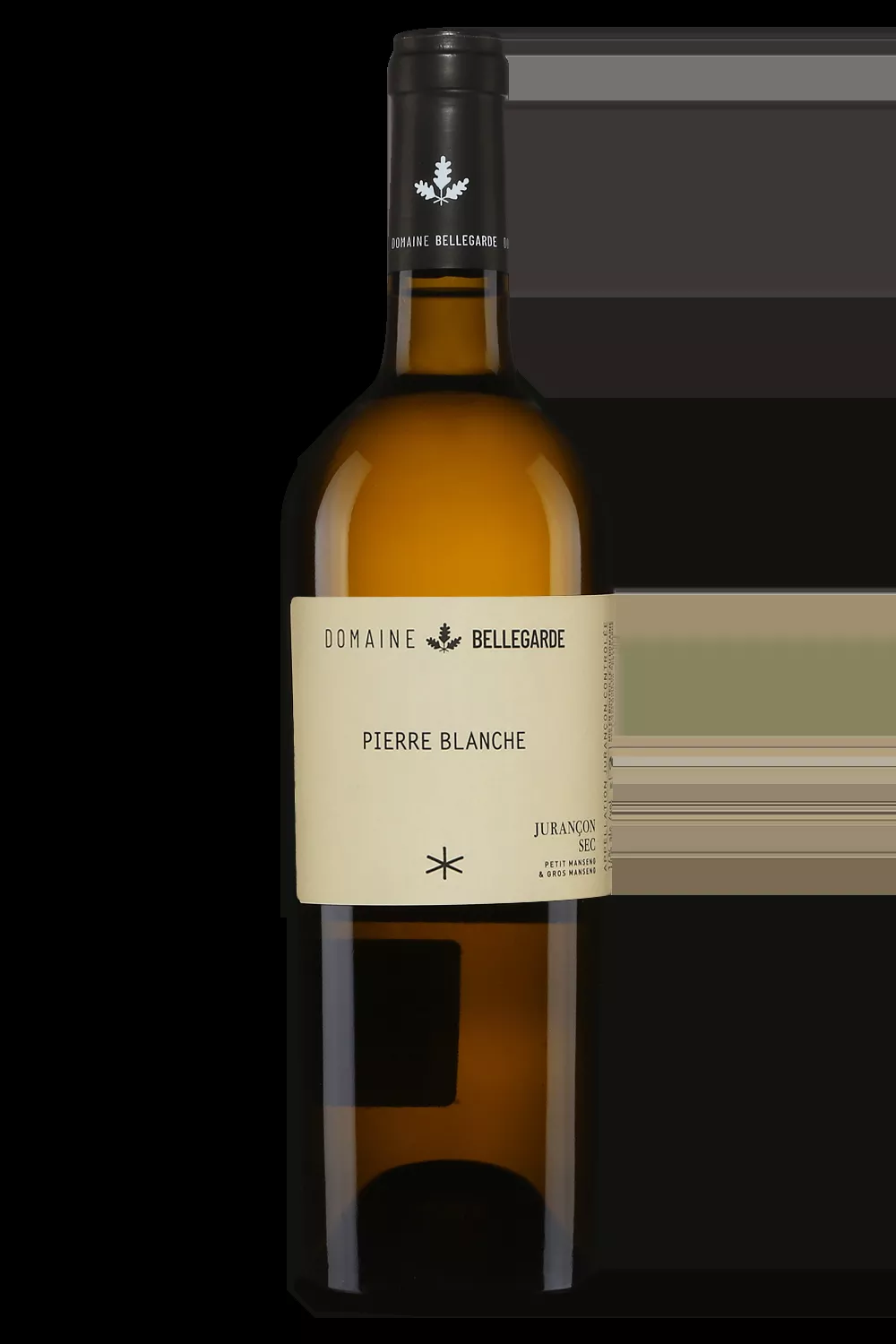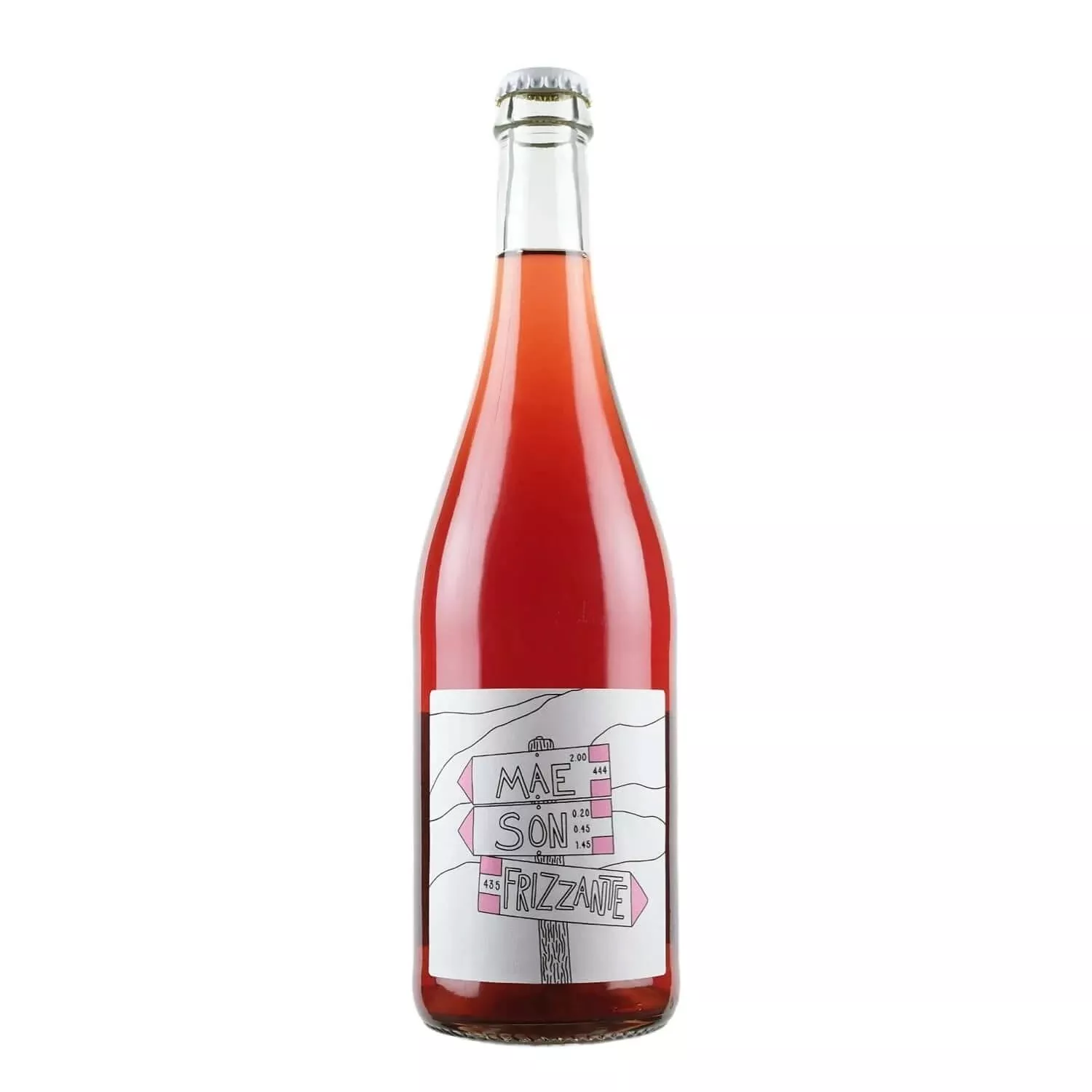

Delivers so much blackberry, leather and dried fruits on the nose. Full-bodied, with ultra polished tannins and a silky mouthfeel.
Reviews:
- Wine Advocate: The 1989 has taken forever to shed its formidable tannins, but what a great vintage of Lynch Bages! I would rank it at the top of the pyramid although the 1990, 2000, and down the road, some of the more recent vintages such as 2005, 2009 and 2010 should come close to matching the 1989’s extraordinary concentration and undeniable aging potential. Its dense purple color reveals a slight lightening at the edge and the stunning bouquet offers classic notes of creme de cassis, subtle smoke, oak and graphite. Powerful and rich with some tannins still to shed at age 22, it is still a young adolescent in terms of its evolution and will benefit from another 4-5 years of cellaring. It should prove to be a 50 year wine.
- James Suckling: Delivers so much blackberry, leather and dried fruits on the nose. Full-bodied, with ultra polished tannins and a silky mouthfeel. The palate turns to leaves, cedar and dried berries on the finish, which goes on and on. This is still reserved for the vintage, suggesting a long life ahead. Just coming around now, but will improve many years ahead. I have always loved this Lynch.
Producer Information
Château Lynch-Bages is situated in the Pauillac commune of the Médoc region in Bordeaux. The grand vin, which is made predominantly from Cabernet Sauvignon, is known for its structure and intensity, and can age for 20 years or more. It ranks among the best in the appellation. The property in the village of Bages takes the other part of its name from Thomas Lynch, a Bordeaux merchant of Irish lineage who owned the property from 1749 to 1824. It was rated a fifth growth in the Bordeaux Classification of 1855, although the reputation of the property, now in the hands of the Cazes family, soared from 1945 after a string of excellent vintages. The vineyards are situated on a plateau west of Pauillac town on gravel, chalk and sand soils. There are 90 hectares (220 acres) of vineyards, 75 percent of which are planted with Cabernet Sauvignon. The rest is planted to Merlot, Cabernet Franc and a small amount of Petit Verdot.